Trip 50
April 26,2025
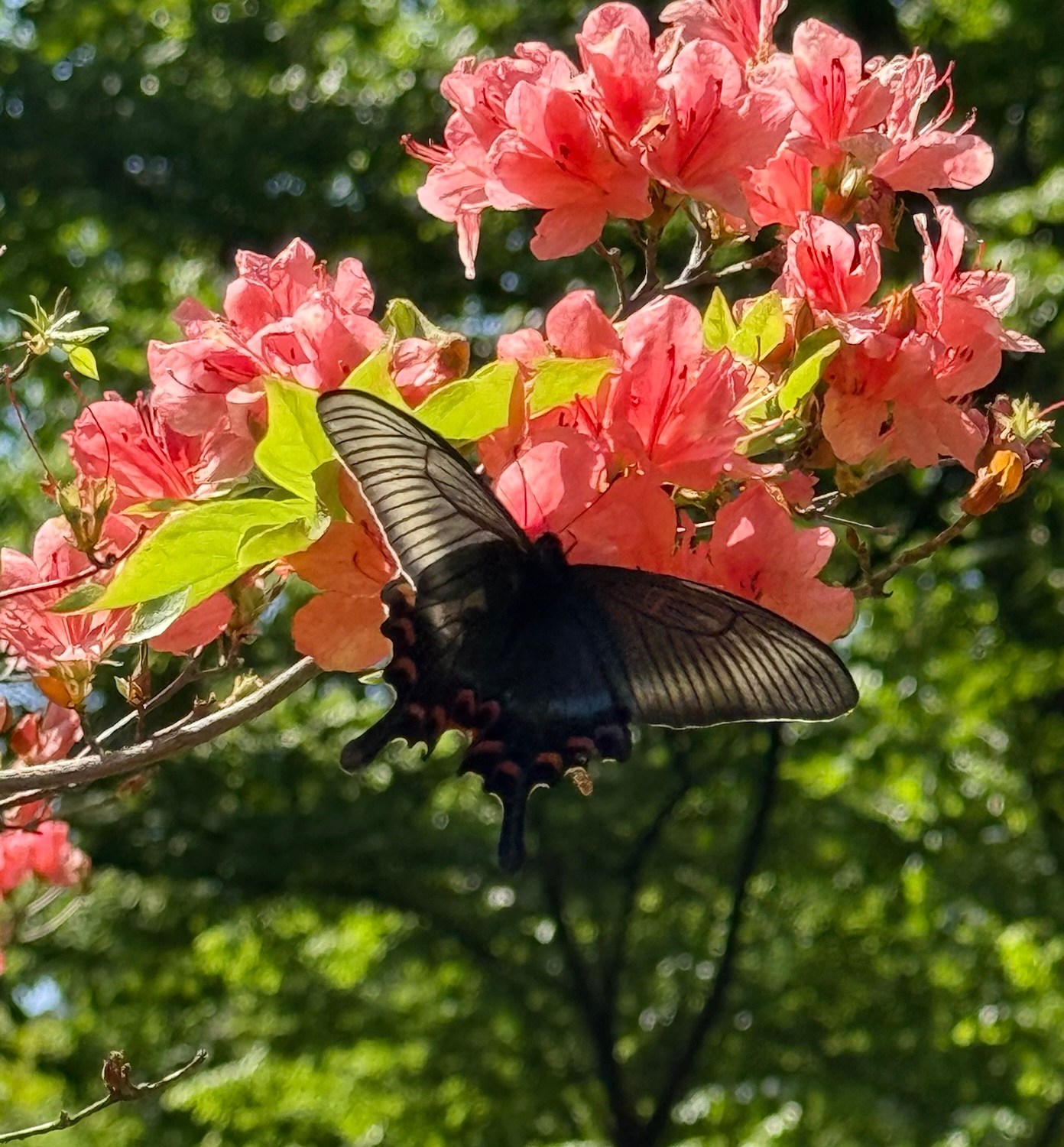
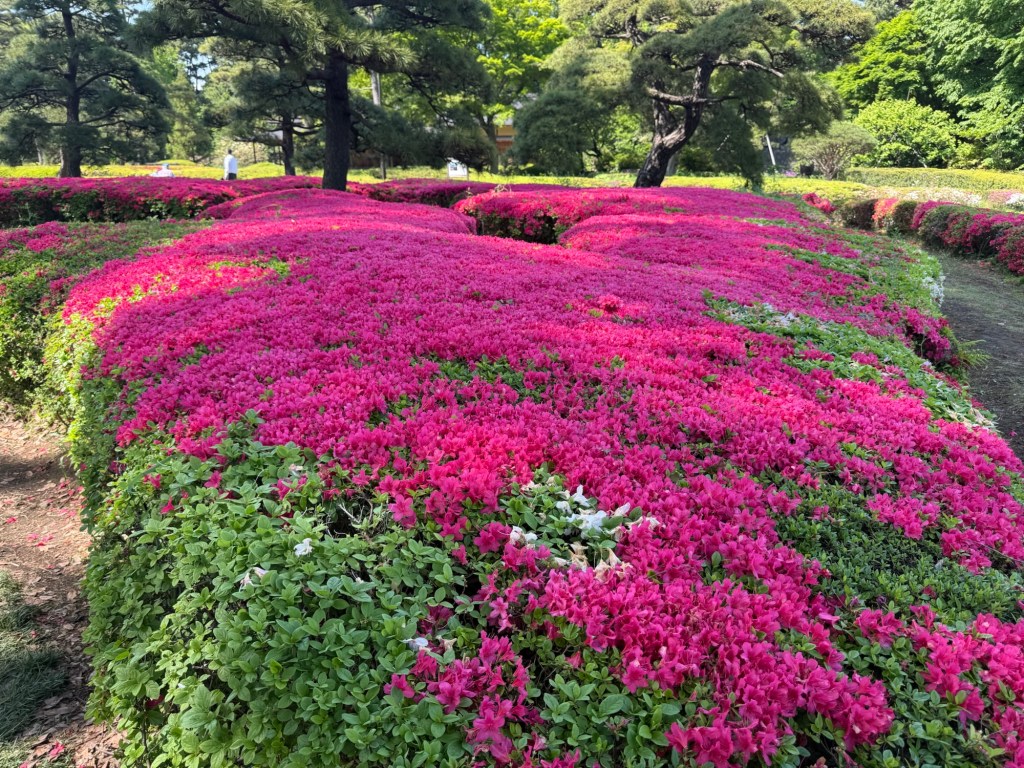
It’s a clear day with 70° temperatures as we head out to Tokyo’s Imperial Palace to see the display of the azaleas in the East Gardens.
This will be our first foray into the subway system since we were here in 2017, which seemed confusing at the time, with different subway companies operating. We didn’t encounter any of that this time and using Google Maps to route us, simply “touched” through using Suica (that we did not have at the time).
We visited the Imperial Gardens East once before in 2017, which was a bit early for most cherry blossoms and this year, on the whole, the azaleas were a bit past their prime blooming season, but there were still plenty of them in bloom.


The East gardens of the Imperial Palace grounds include the site of the ruined Edo Castle, but did not include the ability to view or tour the Palace itself , where the Emperor and his wife live. Edo (now Tokyo) was the residence of the Tokugawa shoguns, who ruled Japan from 1603 to 1867, and served as the seat of the feudal government. After the end of the shogunate, the site was transferred to the Imperial Government, and the Emperor moved from Kyoto to Tokyo in 1869, establishing the current Imperial Palace on the former Edo Castle grounds.
The Tokugawa shogunate was the military government of Japan that lasted from 1603 to 1868, led by the Tokugawa clan. During this period, a series of 15 shoguns (Shogun means general), each a member of the Tokugawa clan, ruled from Edo (now Tokyo).
There were three shogunates in Japan.
- Kamakura shogunate 192–1333, founded by Minamoto no Yoritomo
- Muromachi shogunate (also known as the Ashikaga shogunate ), 1338–1573, founded by Ashikaga Takauji
- Edo shogunate (also known as the Tokugawa shogunate), 1602–1868, founded by Tokugawa Ieyasu
In 1868 the 15th Shogun of Tokugawa Shogunate, Tokugawa Yosinobu gave up his office. Then the time of Shogun rule ended. It was the end of the feudal time of Japan.
The 15th and final Shogun of the Tokugawa Shogunate, gave up his office primarily due to the escalating political and military unrest that culminated in the Meiji Restoration. Facing pressure from powerful domains like Satsuma and Chōshū, as well as a desire to avoid a full-scale civil war, Yoshinobu chose to return the government to the Emperor.
There’s little to see of the Edo castle , having been alternately burned (1657, 1873), rebuilt and destroyed by earthquakes (1703), except the immense stone walls and some guard houses.
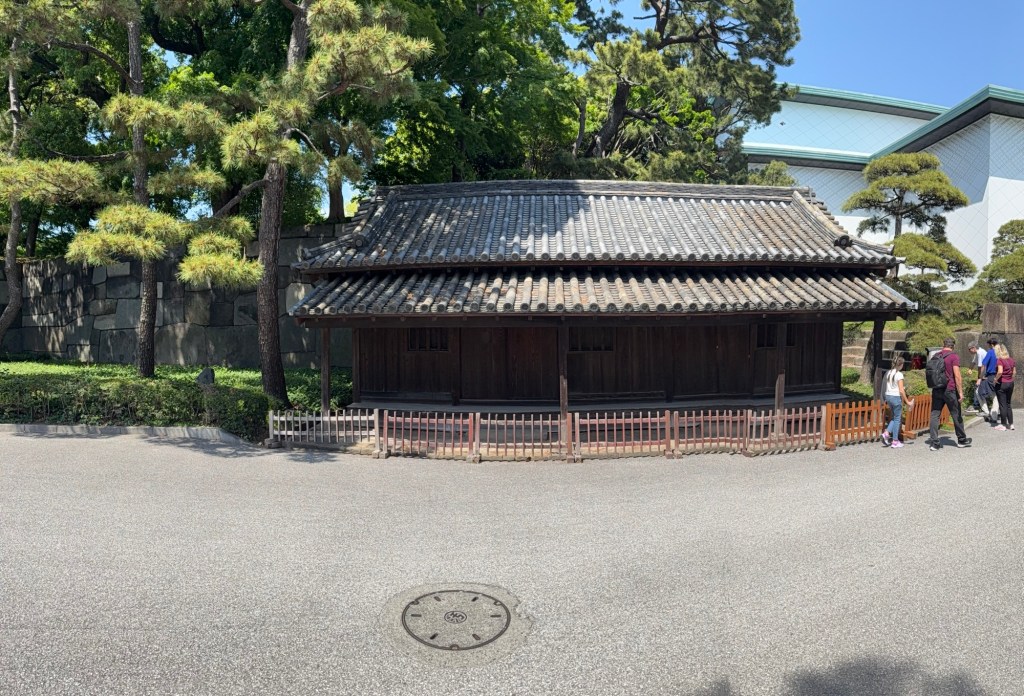
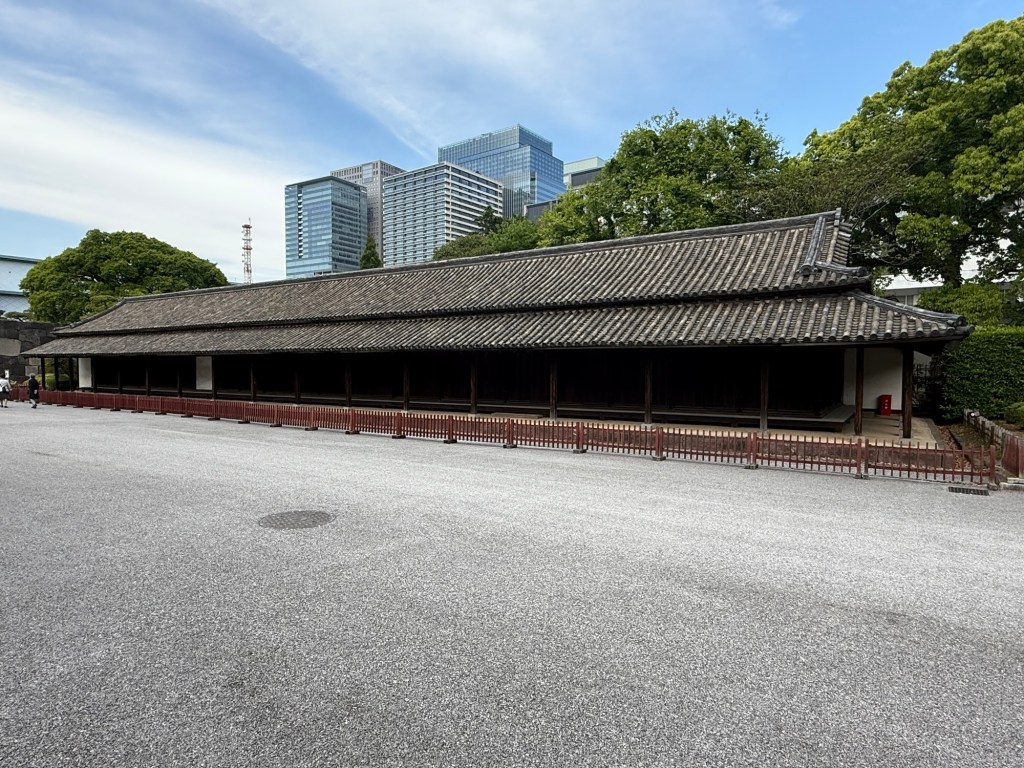

We came to see the gardens, which did not disappoint.
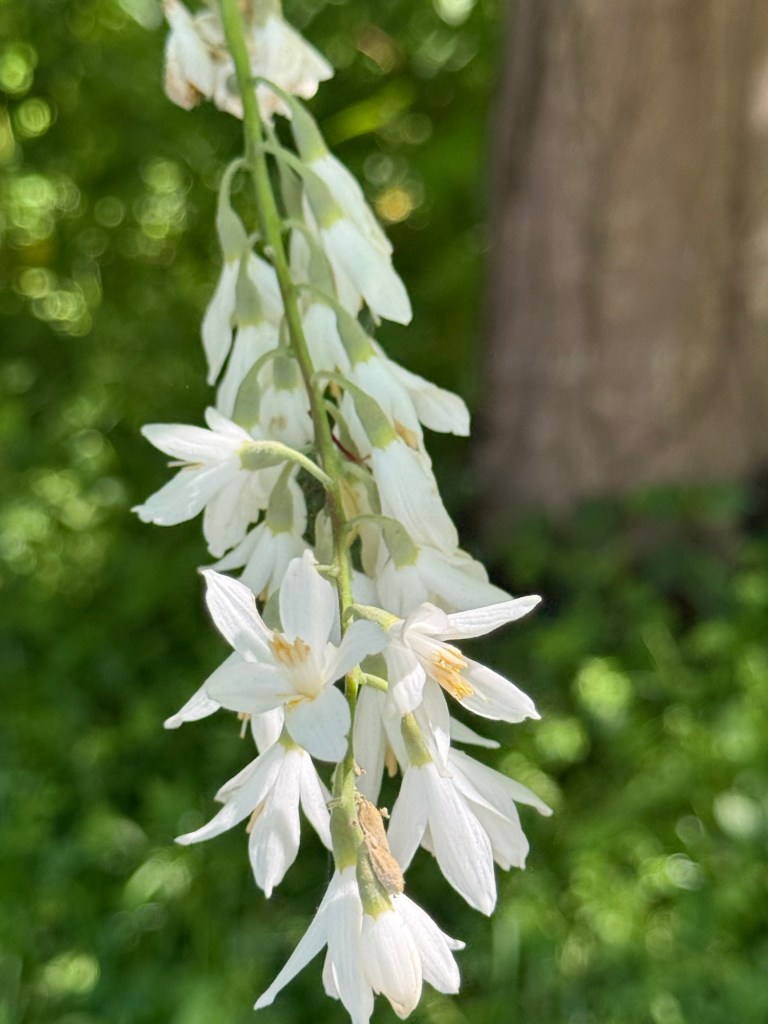

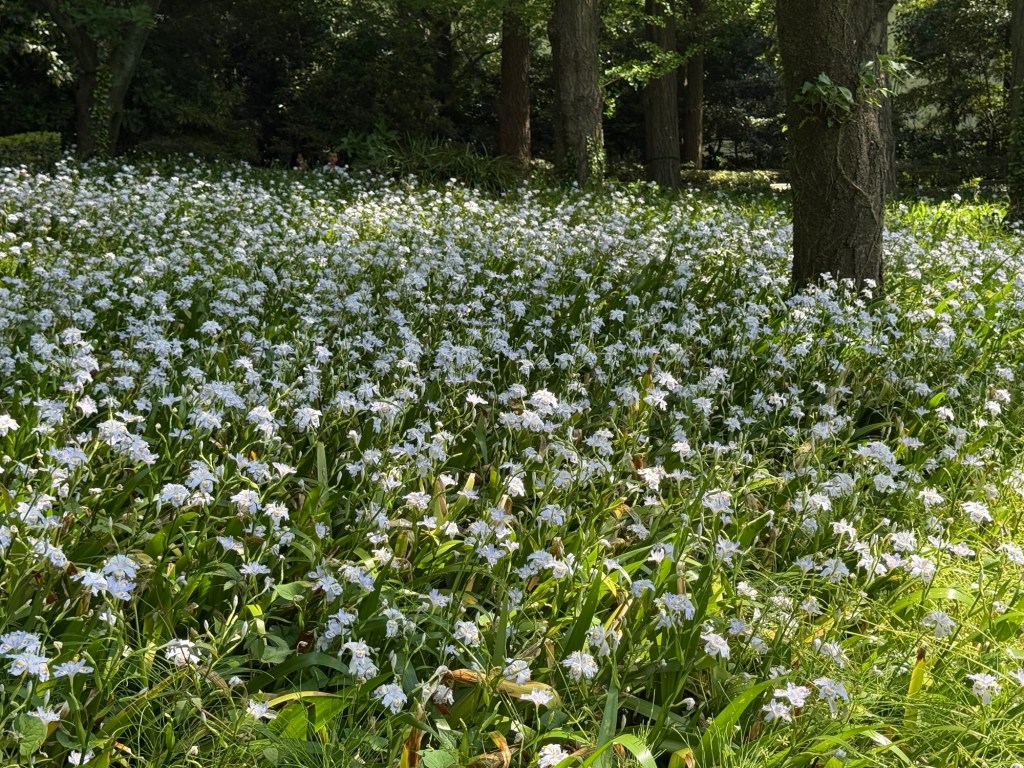
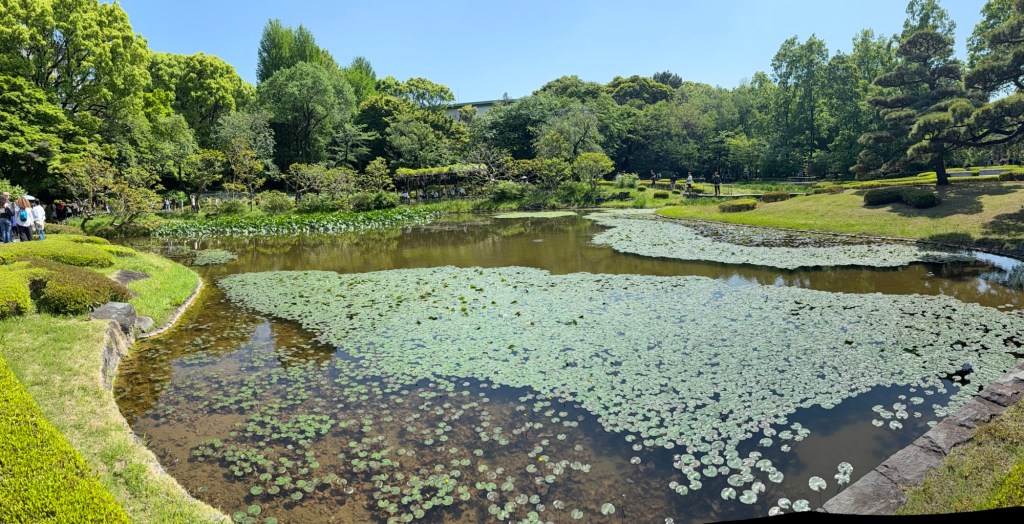
There is a model of the Edo castle keep on display.
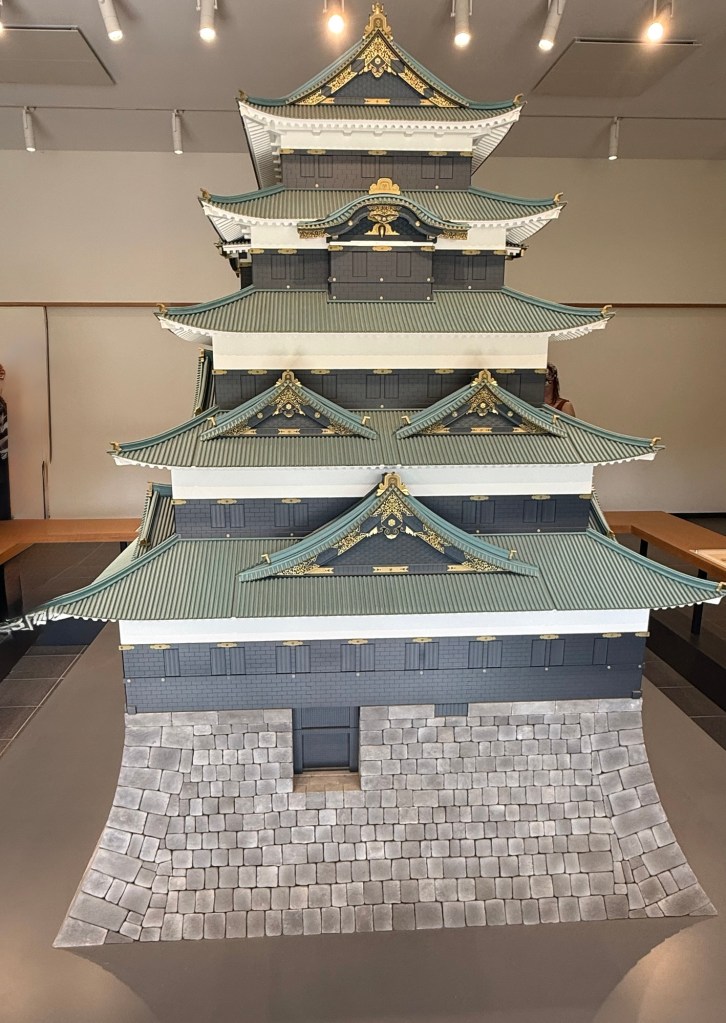
The honmaru, the central part of Edo Castle surrounds the palace of the shogunate and other buildings. The most fascinating part of the construction was the castle keep, “tenshu.” The initial castle keep was built in 1607 but completely refurbished twice in the early Edo period. This is a 1:30 scale model of the last and the tallest castle keep built in 1638. The five-tiered-six-story keep with its stone base towered almost 60 metres above the ground, which is equivalent to a 20-story building, and is considered to be the tallest keep ever built in Japan. The walls were made of white shikkui plaster and copper sheets coated with black plaster, while the gables were decorated with metal ornaments. The roof was copper-tiled and had a pair of golden shachihoko, mythical sea creatures, at the very top. A castle keep, also known as a donjon, is a fortified tower within a castle that served as the last refuge in the event of a siege. It was the strongest and most carefully defended part of the castle,
People would mount the castle keep by a flight of stone steps accessible from the small keep base on the south side. The total height including the elevation of the honmaru was 80 meters, making the castle keep a lofty and magnificent building towering above the city. Now, though, skyscrapers just outside the palace grounds would have dwarfed the Edo; they are our modern day castles.
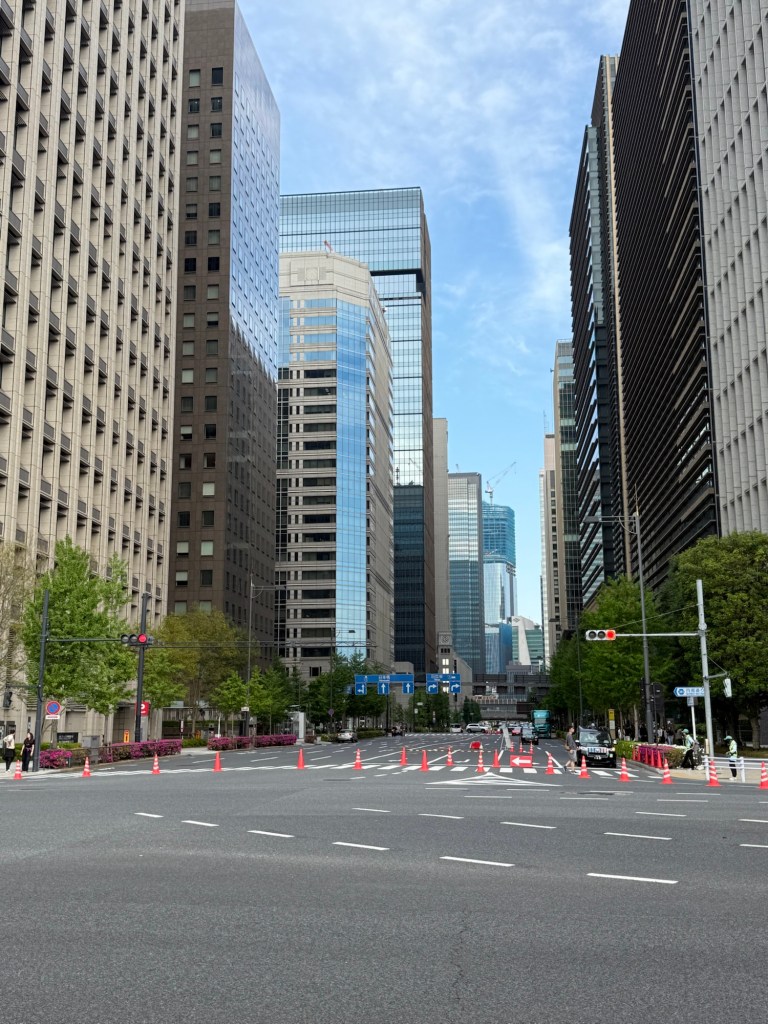
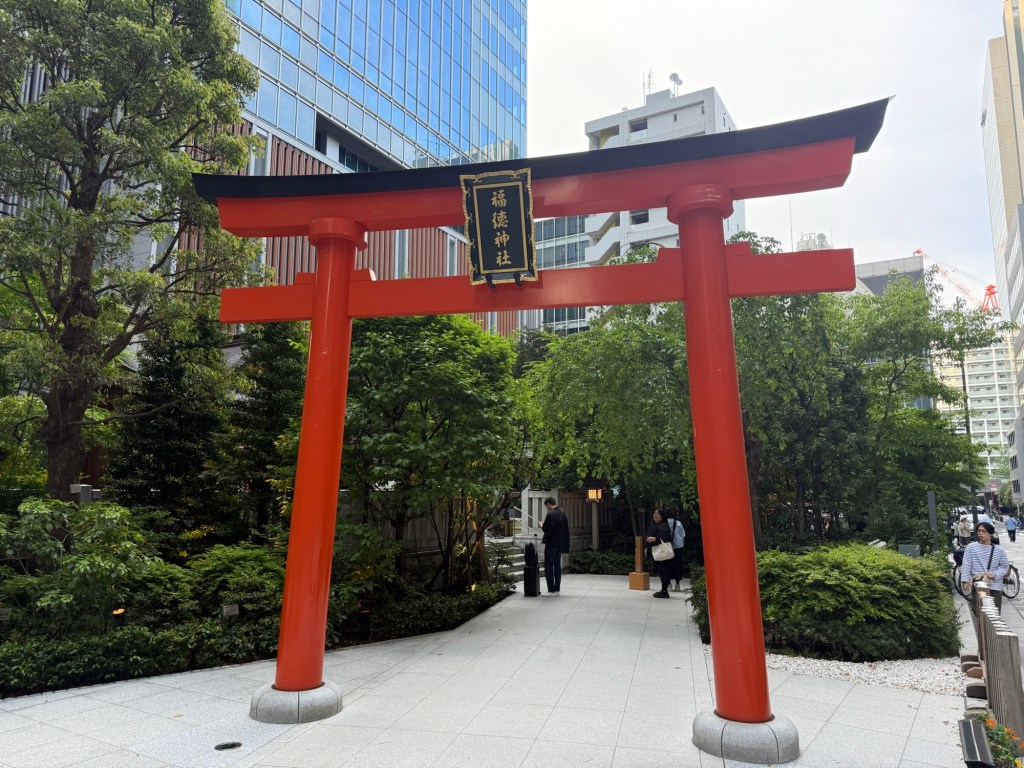
We took the subway back to a different area for dinner at Gyukatsu Motomura. Before finding it (in the basement level of a building) , we came across this shrine
Dinner. There was short waiting area before seating, because the restaurant is fairly small – 10 tables, 12 seats at bar, and you have to make your menu choice (no sharing of plates) before being seated.
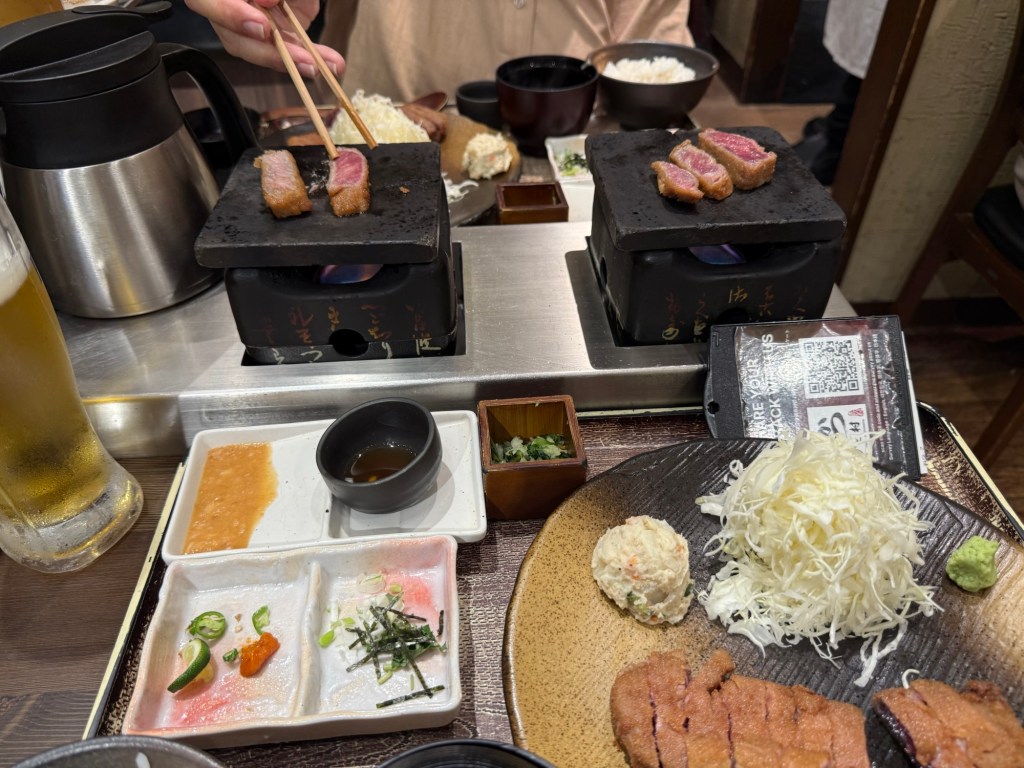
Each person has their own little grill to fully cook (to their own taste) the beef cutlets (in our case) which were tempera fried and partially cooked. Very tender beef. And of course, chopsticks.
We made our way back to hotel emerging from the subway at a Nissan showroom, featuring a model of an EV (sadly not for sale)
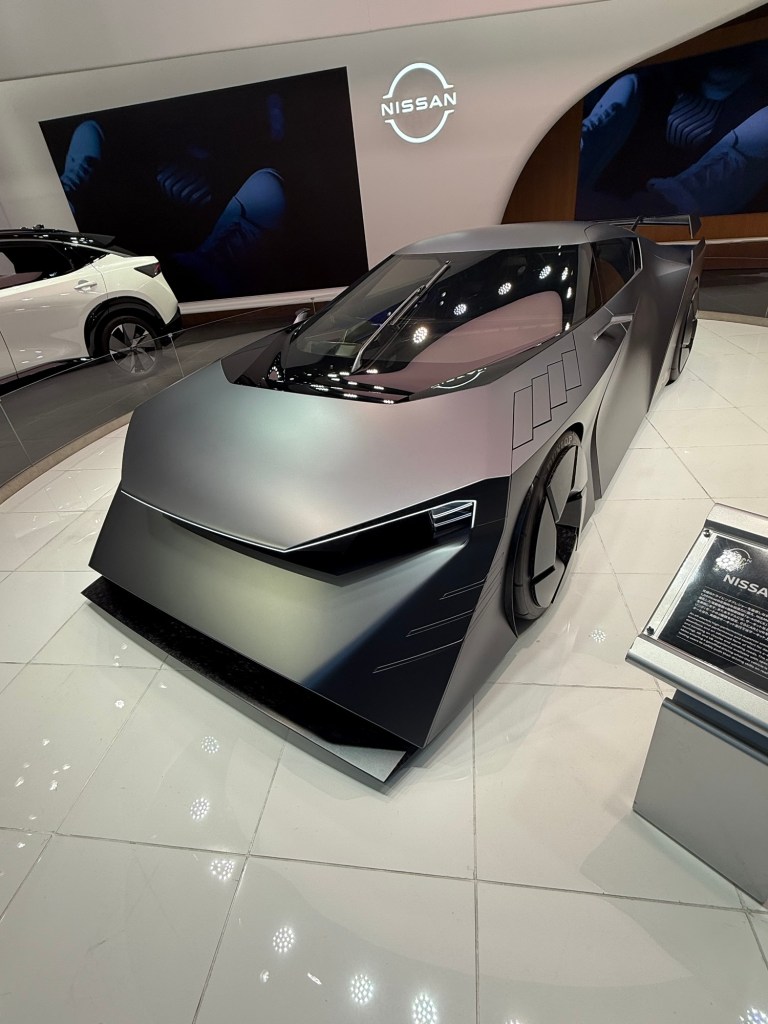
And the one they actually have for sale (Ariya, 8,600,300¥). The Hyper Force got all the attention.
 TerraTraveler
The trip looks amazing! I love all your photos and detailed description of each fun filled day. I have added Japan to my list of places to go!
LikeLike
it been a long time since I saw the palace (1986) my travels to Japan since then with KBR never allowed much time to sightsee.
LikeLike