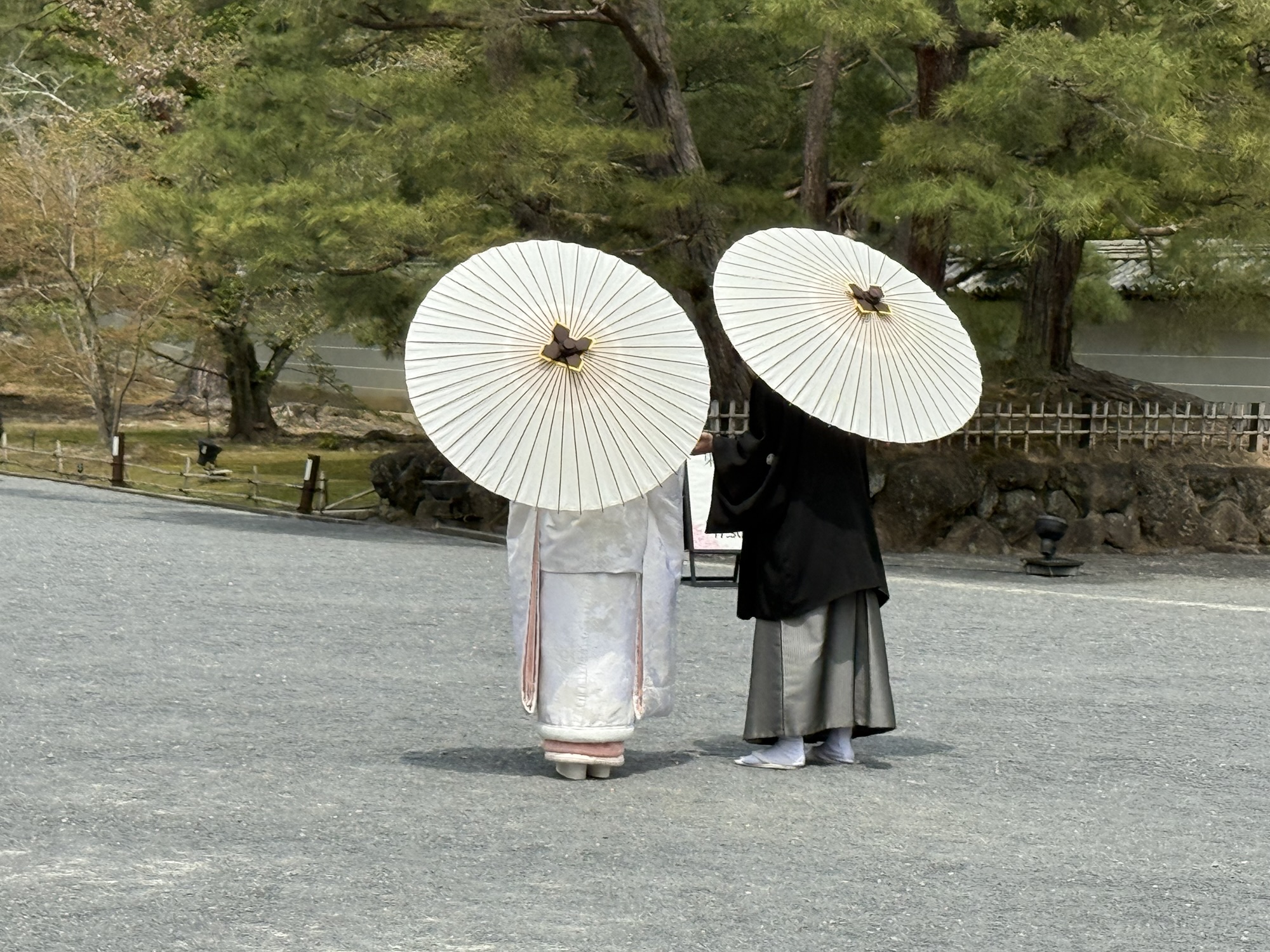
Trip 50
April 18, 2025
Today we visited Ninna-ji temple, a Buddhist temple in north-west Kyoto that is deeply related with the Imperial Family of Japan.
The temple is especially famous for its Omuro Sakura cherry trees which are the latest blooming cherry trees in the whole of Kyoto. It’s always a guessing game as to when peak Sakura will be, where, but availability of flights and hotels are overriding factors -we just could not get to Kyoto earlier and expected we’d might miss much of the blossoming season, so we were really pleased to discover Ninna-ji might still be in bloom.
In the Japanese culture, cherry blossoms, or “sakura,” (cherry blossom) symbolize the fleeting nature of life and the beauty of impermanence; they also represent renewal, hope, and new beginnings, particularly with the arrival of spring. The short blooming period of cherry blossoms, which is usually just a few weeks, reinforces this idea of transience and the transience of life.
The location of Ninna-ji being in a diagonally opposite section of the city relative to our hotel, combined with the the previously mentioned less than wonderful public transit system motivated us to take a taxi, which still took 30 minutes. Had we taken public transit, it would have been twice that length of time. But the journey proved to be more than worth the effort.
Ninna-ji Temple is the head temple of the Omuro school of the Shingon Sect of Buddhism. There are many temples belonging to the Omuro school all around Japan. Ninnaji Temple was founded in 888 AD.
Omuro Buddhism, specifically the Omuro school, is a branch of the Shingon sect of Buddhism, with Ninnaji Temple in Kyoto as its head temple. The term “Omuro” refers to a special type of imperial residence or throne room, and Ninnaji was historically known as “Omuro-gosho” because the emperor lived there. The Omuro school is renowned for its preservation of numerous national treasures and cultural artifacts, including those passed down.
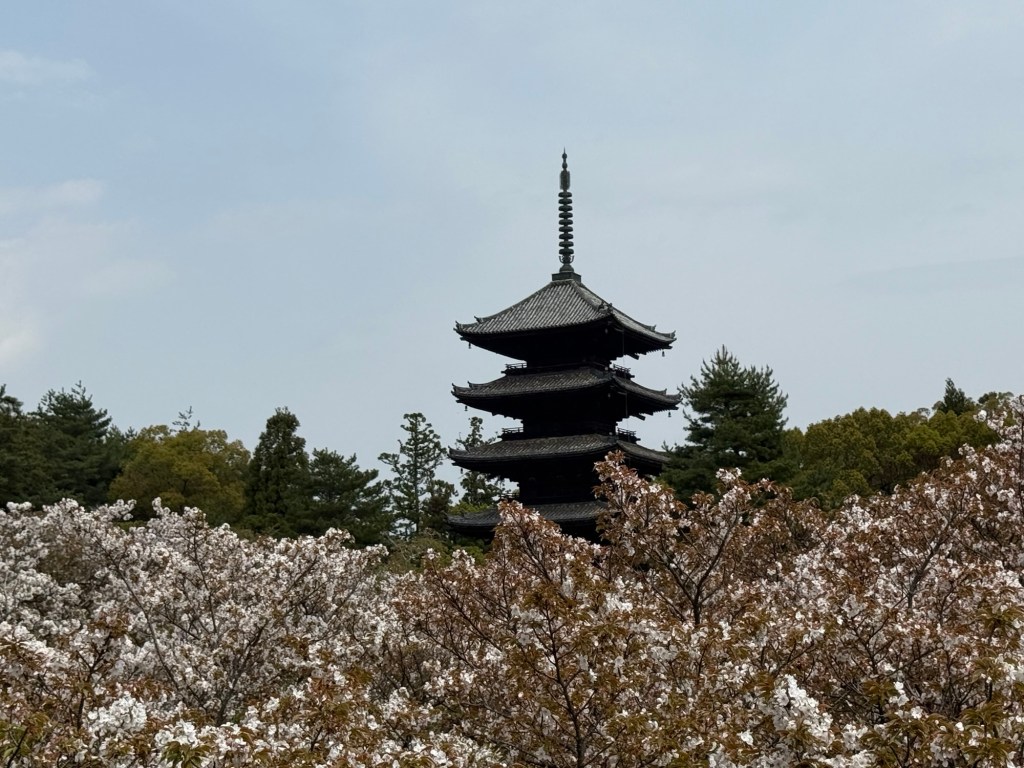


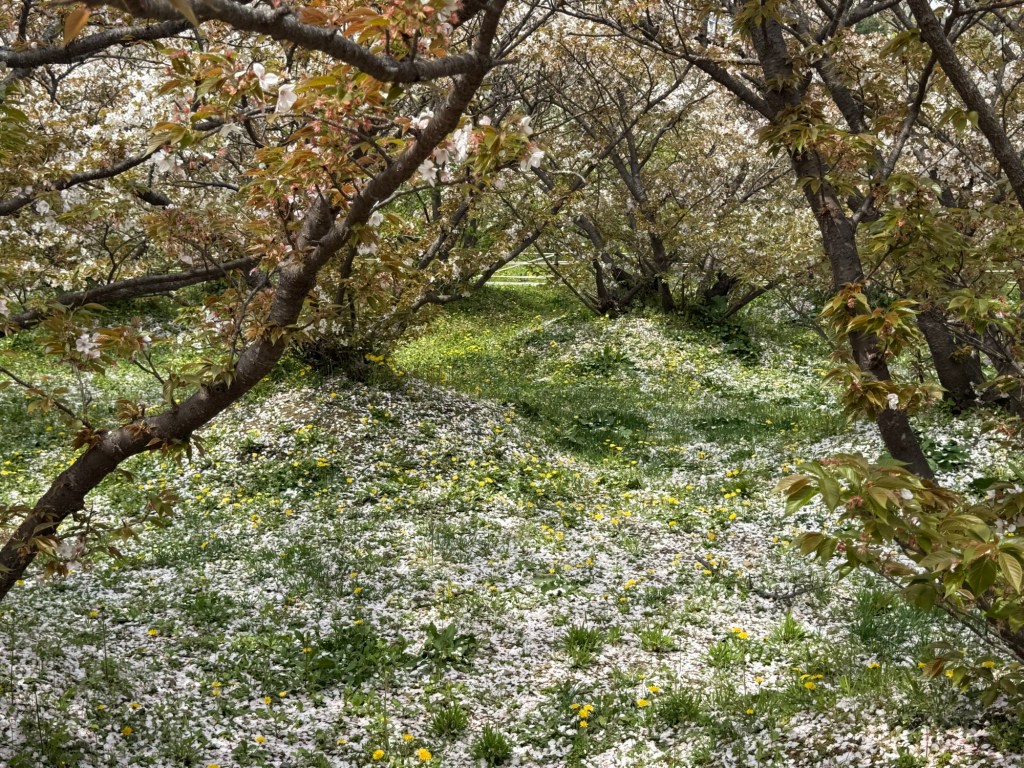
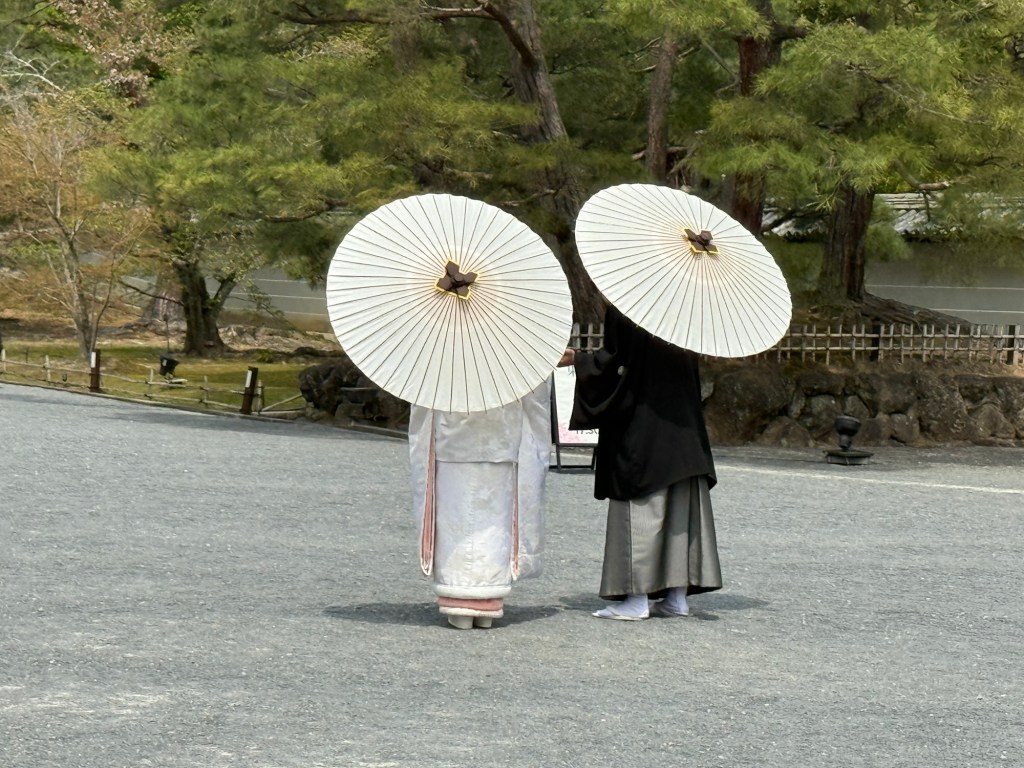
The sheer mass of blooming cherry trees fragrances the air as you walk down the wooden planked paths woven among the blossoming trees.

With a history of more than 1,300 years, Kohfukuji is one of Japan’s oldest and most famous Buddhist temples.


Nansen-ji was established in 1291 on the site of a previous detached palace. It is also the headquarters of the Nanzen-ji branch, Rinzai Zen. Rinzai Zen , one of the two principal schools of Zen (along with Sōtō) in Japan, is known for its emphasis on sudden enlightenment, koans (paradoxical riddles), with the ultimate goal of the direct experience of one’s true nature (kenshō). Kenshō is a precursor to the ongoing realization and continuous understanding known as satori. Zen practitioners use koans as a tool for meditation and breakthrough, leading to insights. In Zen Buddhism, satori means “sudden spiritual enlightenment.” The Zen sense of satori is a more specific sense of the noun satori “comprehension, understanding.” The temple was destroyed in a fire in 1895 and rebuilt in 1909.
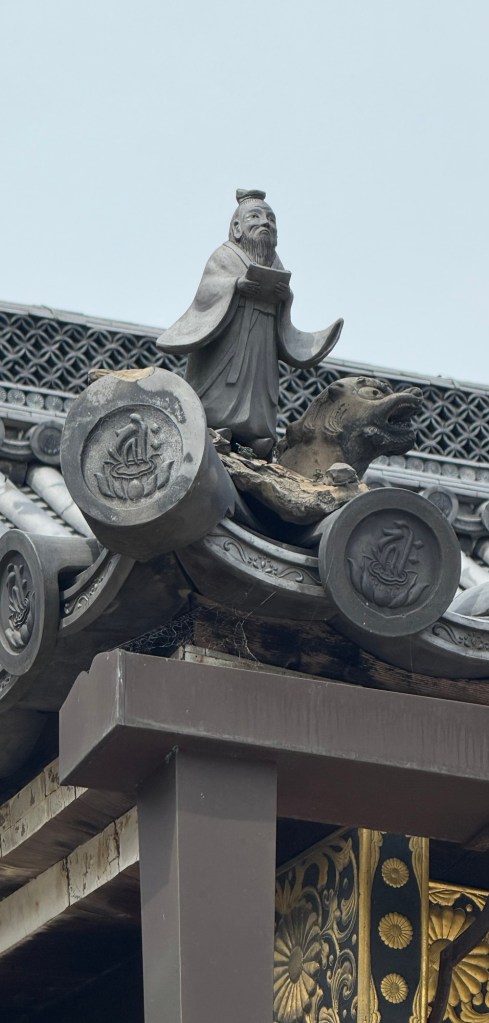
From Ninna-ji, we walked down the road to Rōan-ji and its lakes, rock sculpture and temple.

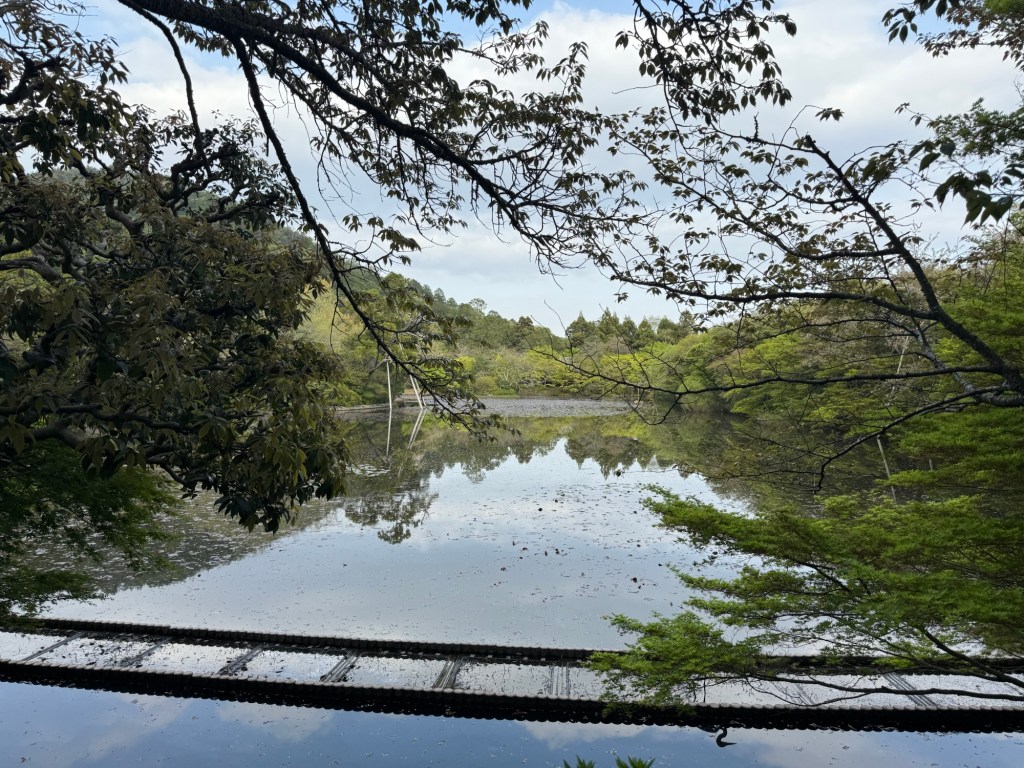
A temple belonging to the Myoshin-ji School of Rinzai Zen, it was registered as a World Cultural Heritage site in 1994. Ryōan-ji is a beautiful, peaceful garden of tranquility.
Originally built as a villa for Lord Tokudaiji, it was passed on to Hosokawa Katsumoto in 1450, who invited the priest Giten Gensho to transform it into a Zen temple. While Gensho actually founded the temple himself, he made his own master: Nippo Soshun, the official founder.
The buildings burned down in the Onin War, but were reconstructed by Hosokawa Masamoto in 1499. The temple flourished after that, with a succession of famous priests residing there, and donations of land from important figures such as Toyotomi Hideyoshi and the Tokugawa shoguns. At its peak, there were 23 subsidiary temples in the grounds. A fire caused much damage in 1797, and while the temple was gradually rebuilt, it never returned to its peak glory.
The Hojo Garden is believed to have been laid out at the end of the Muromachi period, and is a famous example of a dry stone garden: White gravel is laid within a rectangular site, over which fifteen stones are arranged, creating an abstraction of nature without a single tree or blade of grass: the ultimate expression of the dry landscape garden. As the garden appears to some to depict a tiger and cubs crossing a torrent, it is also called the “Tiger Cubs Crossing Garden.”
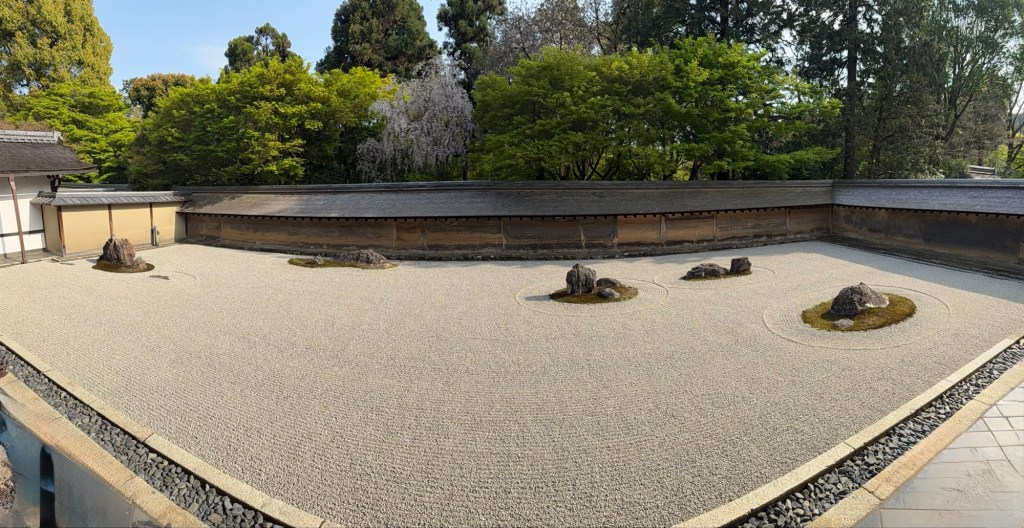
To the north of the Hojo (abbot’s residence) is a stone water basin with the phrase “I only know I have enough” carved on it, believed to have been donated by Mito Mitsukuni. The temple also holds a twelve-volume copy of the Taiheiki (Chronicle of the Great Peace, an Important Cultural Property) among its treasures.
Being a temple, you must remove your shoes.

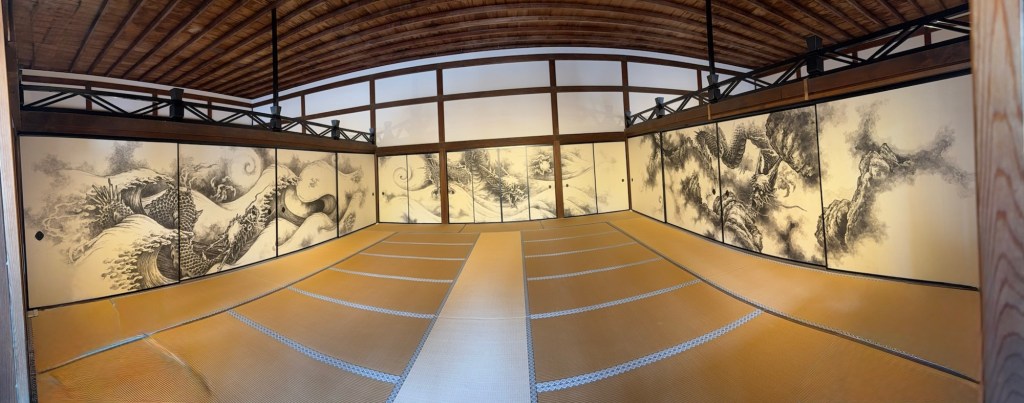
Uniquely sculpted pine forest (trunk is cut at low levels, allowing the branches to shoot skyward)


As we walk though the grounds, we see both the active gardening as well as the evidence that they don’t just cut down trees, but put up supports for sagging limbs, rather than cut them.

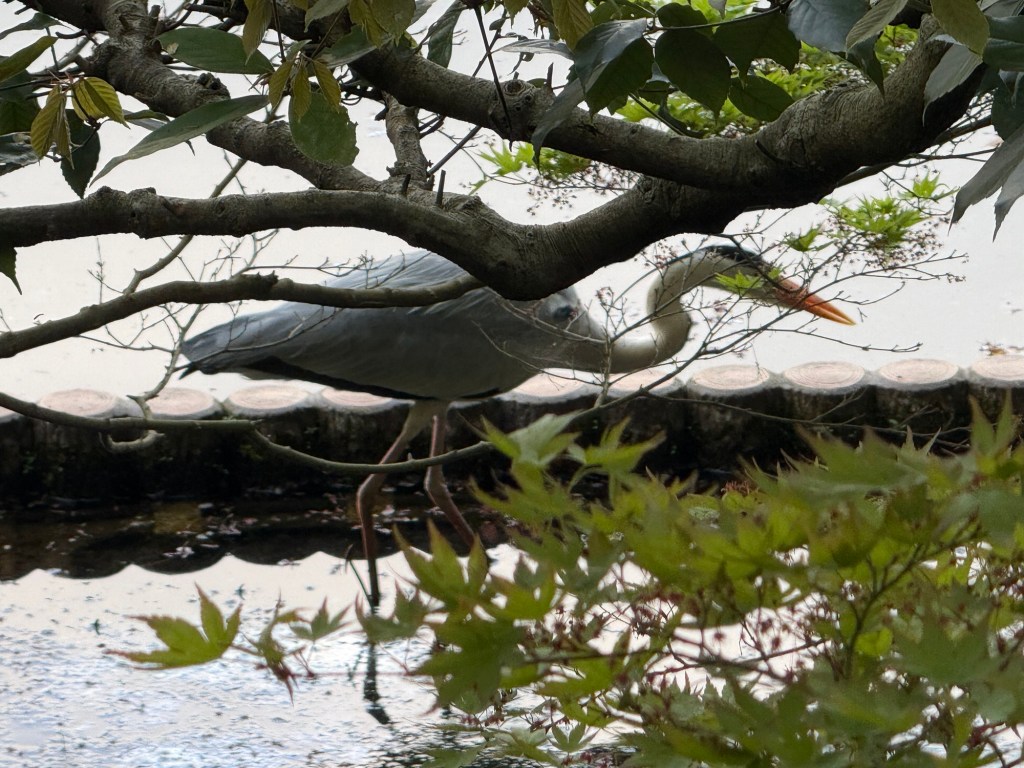
At the lake, a heron is very slowly walking through the water looking for dinner. I watch as he moves, barely disturbing the water with his steps, eyes focused.


wow- really lovely; you’ve captured some great shots and your description and history of the palace and temple give great background! Thanks!
LikeLike