Trip 51
September 16, 2025
We spent the day with our relatives on an interesting and unconventional (for tourists) view of some parts of København.
We started out with a traditional (smorgasbord) lunch in a neighborhood outside of central København.

Smørrebrød is a traditional open-faced sandwich in the cuisines of Denmark, Norway and Sweden that usually consists of a piece of buttered rye bread, topped with homemade cold cuts, pieces of meat or fish, cheese or spreads, and garnishes. There is a table lined with an assortment of various combinations of ingredients, most including herring, most cold, some warm, and all garnished. Our host described some of them, though they had labels (in Danish, which I do not read), so it was a bit of a random choice; all of them were great tasting though, no bad choices.
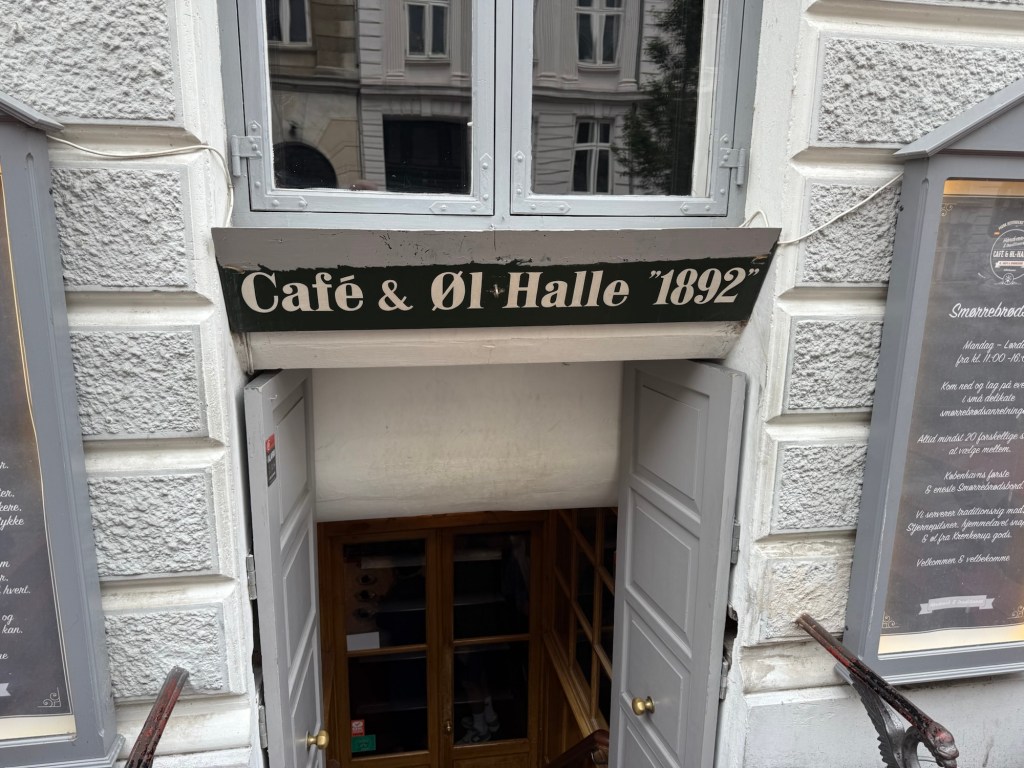
The restaurant in the cellar of the Workers Museum is the only listed cellar tavern in Copenhagen. The historical room have been restored to match the way it looked in 1892.
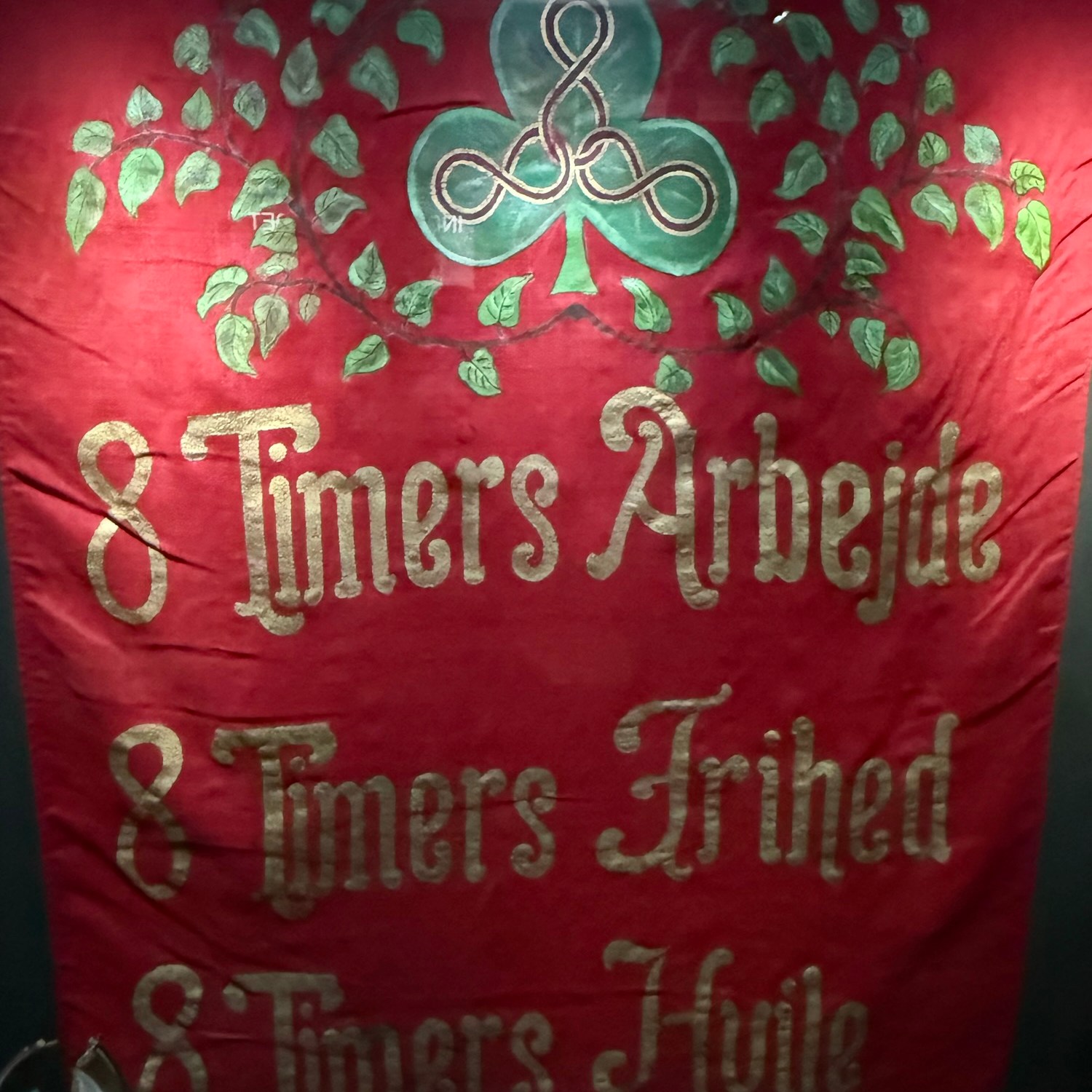
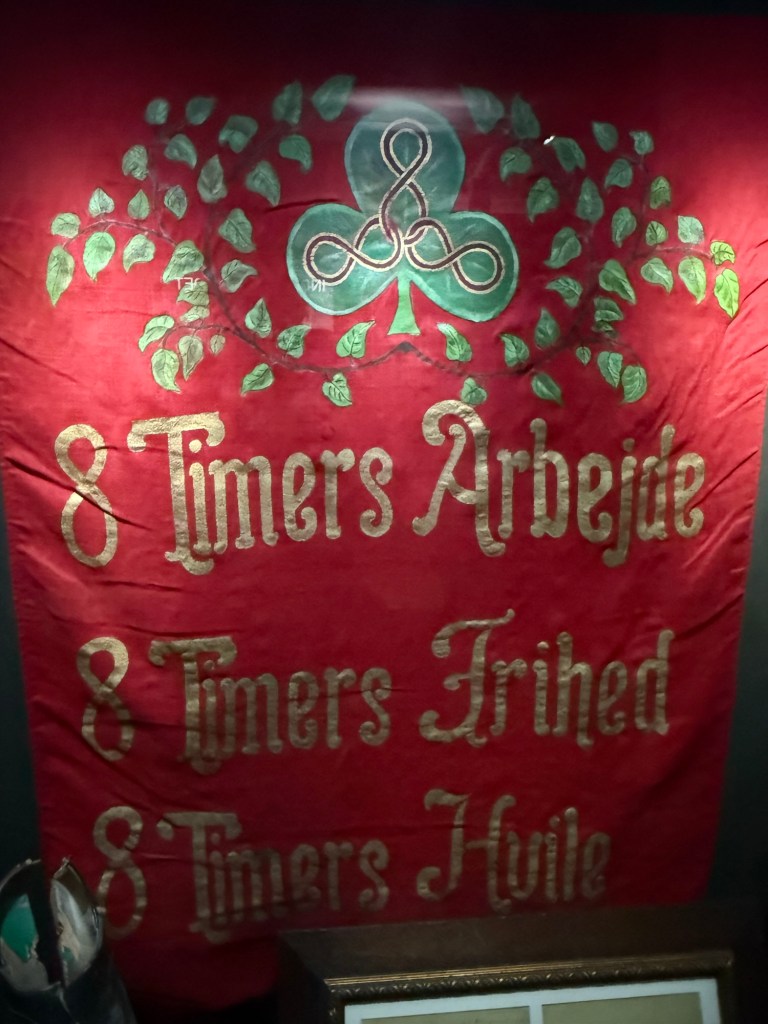
After our lunch, we visited the Workers Museum , giving you a unique look into the lives, living and working conditions of what was then old København in the 1890’s-1930’s. Life and living conditions in that era was pretty bleak. Lots of workers strikes as they strived to improve working conditions and pay, with rotating strikes, as they strove to unionize, employer lockouts (one lasting 100 days, inducing even more hardship ); cramped living conditions, with all children working to support the family. The museum has displays of the types of living quarters of people living in those times had, and their poverty and subsistence.
In 1873, a major strike began among weavers in Copenhagen, which led to factory owners relocating production to Helsingør, where local women worked as strikebreakers, highlighting the need to organize female labor. This strike was part of a broader movement, and despite the banning of The First International and the imprisonment of its leaders, the strike campaign continued until 1876, leading to the formation of new trade unions.
Another major event occurred in 1920 during the Easter Crisis, when Danish workers, led by the Trade Union Congress and Socialist Party leaders such as Minister Stauning, launched a general strike to force the government to convene the Rigsdag for electoral reform and to address the status of Slesvig following a plebiscite. The strike began on April 6 and involved a wide range of workers, including artisans, bakers, sailors, and dockworkers, though it excluded essential services like hospitals and waterworks. The movement was marked by marches, assemblies, and symbolic actions, including a procession to the King’s palace that echoed the 1848 constitutional movement. There was not enough bread to go around and most trade ships were kept from sailing. Military troops were sent to Copenhagen during these initial strikes, but railway workers refused to work for military transport. The workers’ strike and demonstration led to meetings with King Christian X, the resignation of the Prime Minister and formation of a new Cabinet. This was the first (and last) time the King interfered with the democracy.
Dinner together at our hosts home was an absolute pleasure, with time to catch up on family history, from the other side of the world.
 TerraTraveler