
Trip 50
April 19, 2025
Today we visited Kiyomizu-dera Temple, founded over 1250 years ago. It is one of the UNESCO World Heritage Sites.
We took a city bus to street that leads up to the entrance to the temple. The street is so interesting as it’s unlike any of the big thoroughfares we’ve passed elsewhere in the city. It’s full of restaurants, fast food offerings, some hotels, souvenir shops and …people. LOTS of people (and it gets more crowded once you’re in the temple grounds).
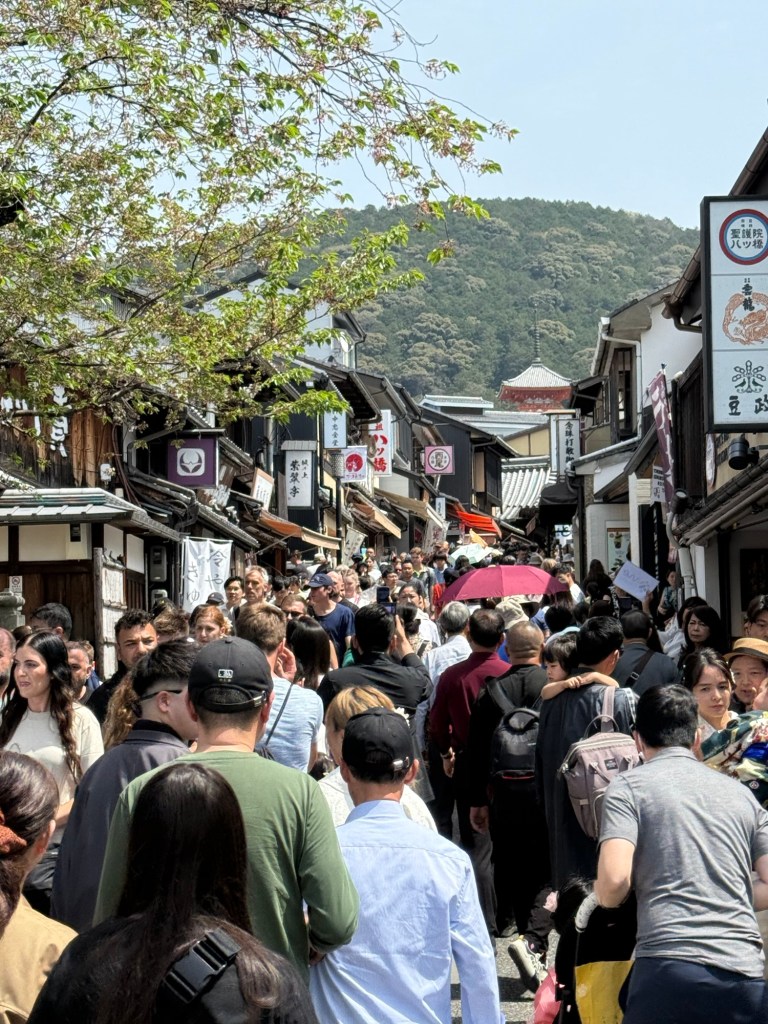
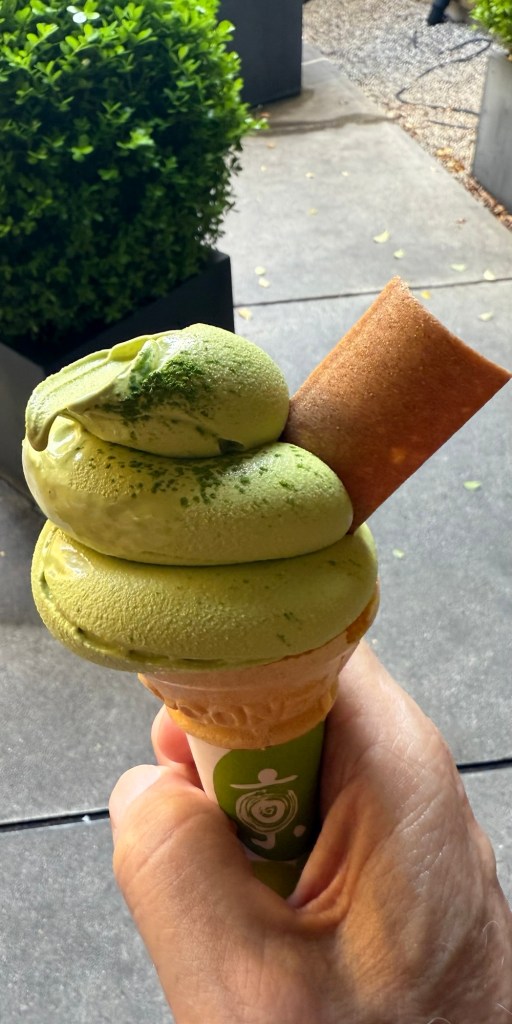
Early on, walking up the narrow street, you have to contend with taxis, small tour buses and people, coming down from the temple (you can barely see at top of the photo). It was a warm day, so we stopped in at the Kyobaum shop selling all things matcha.

All sorts of food, some we’ll try , others, a glance.
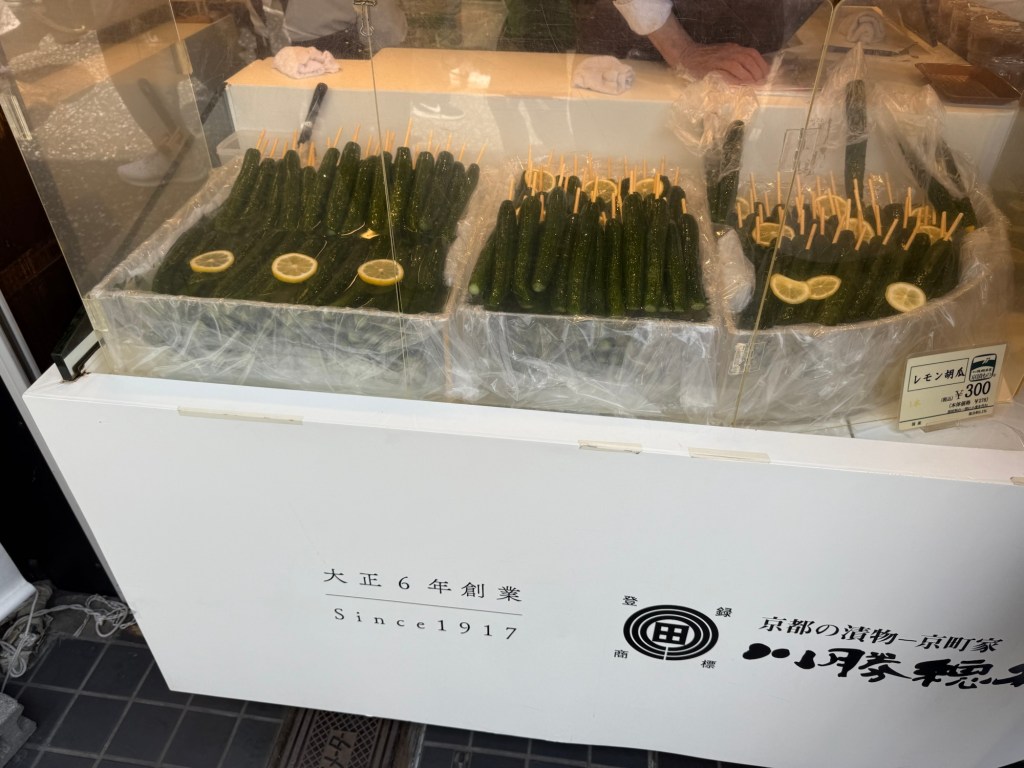

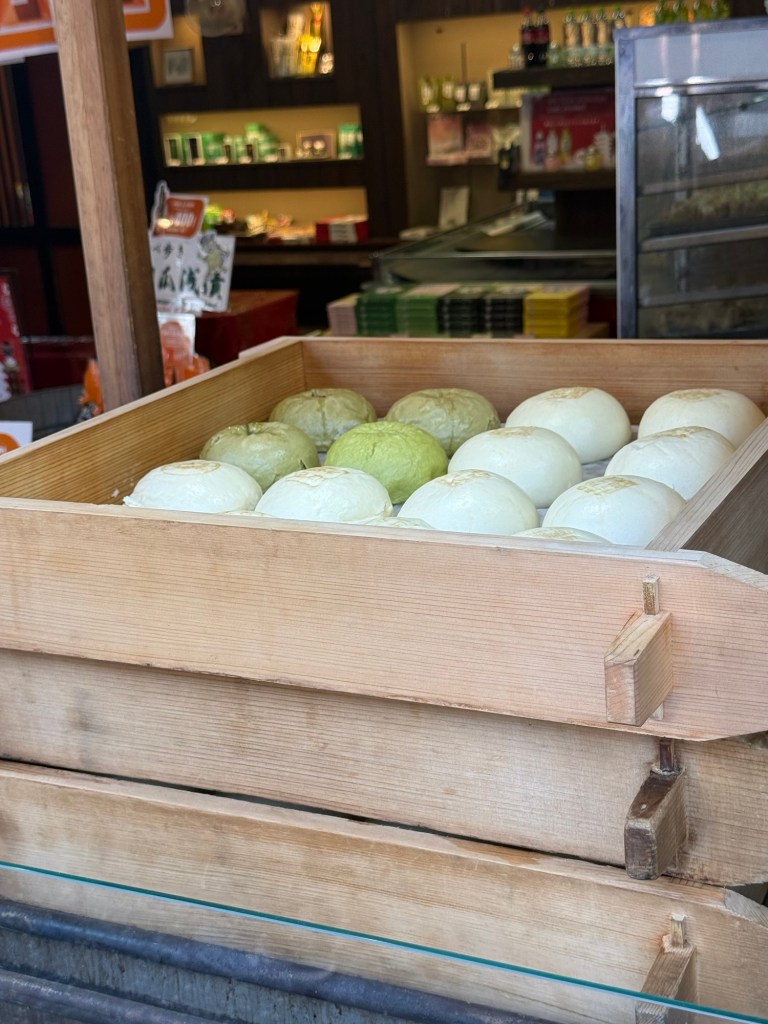
It’s a long walk up to the temple , but making our way through the phalanx of other tourists, we finally arrive at the main plaza, with the temple itself off to the right.
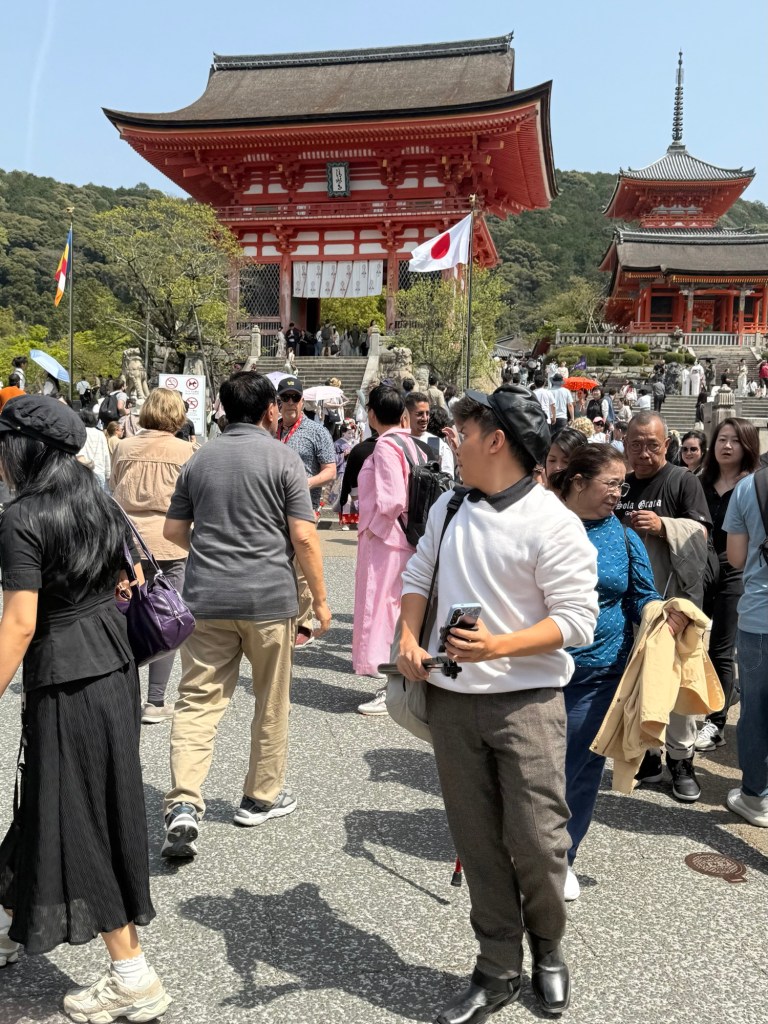
It’s Saturday and among the massive crowds, we see a number of people and couples, in traditional Japanese dress, taking photos against the backdrop of the beauty of the temple and flowering trees.


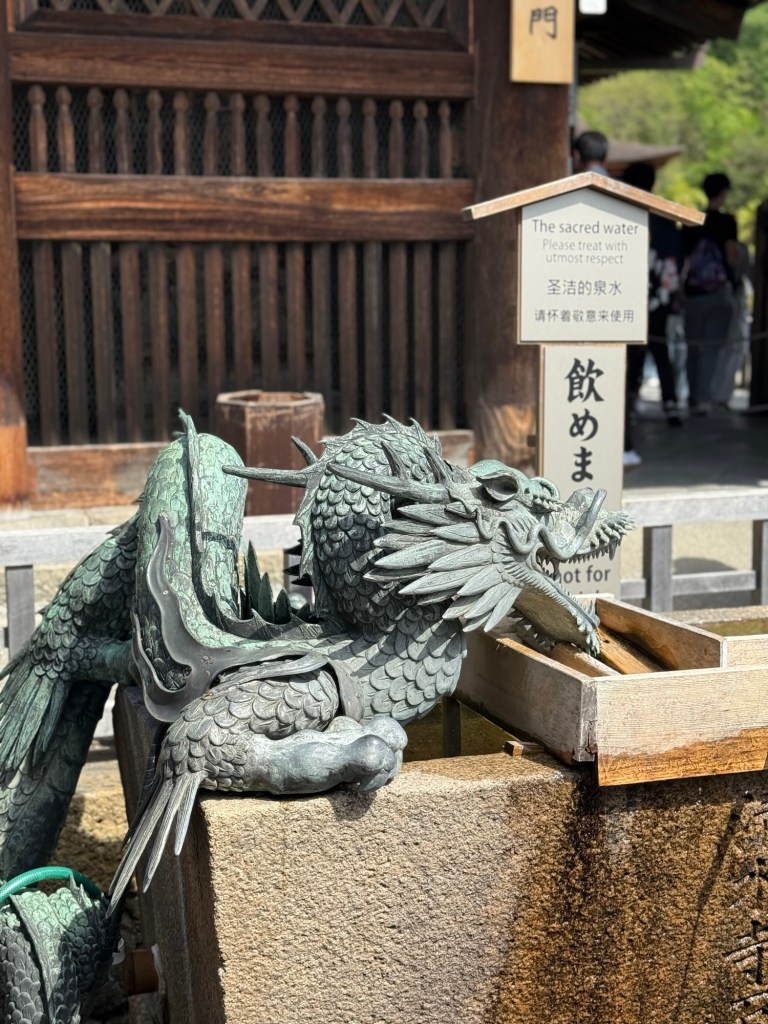
To get to the temple, you have to pass the angry dragons guarding the entrance.

In spite of the crowd, the temple has a relatively short line, after buying entry tickets.
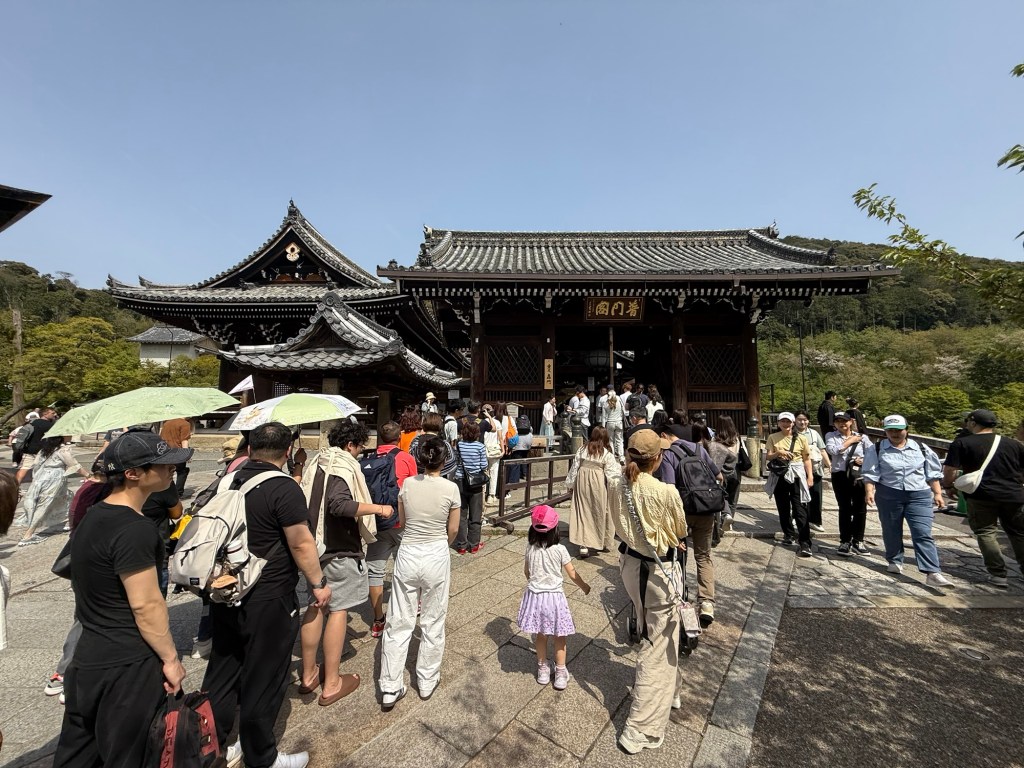
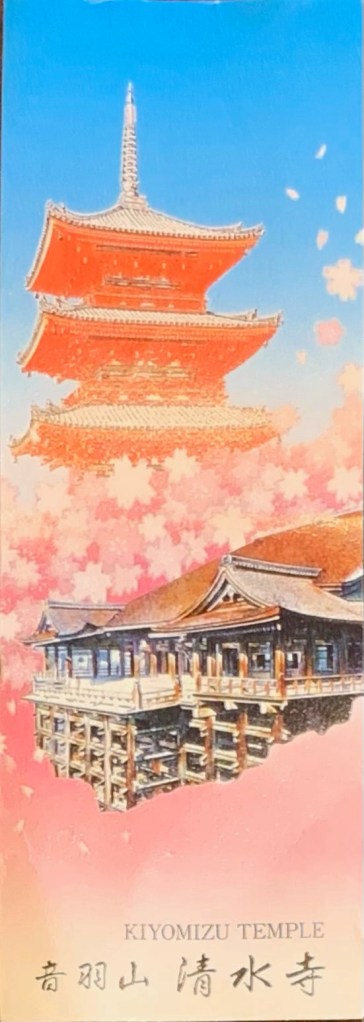
The temple is built with a commanding view of the city of Kyoto, surrounding mountains, and the supporting substructure of the temple is enormous.


Entering the temple itself requires removing one’s shoes.

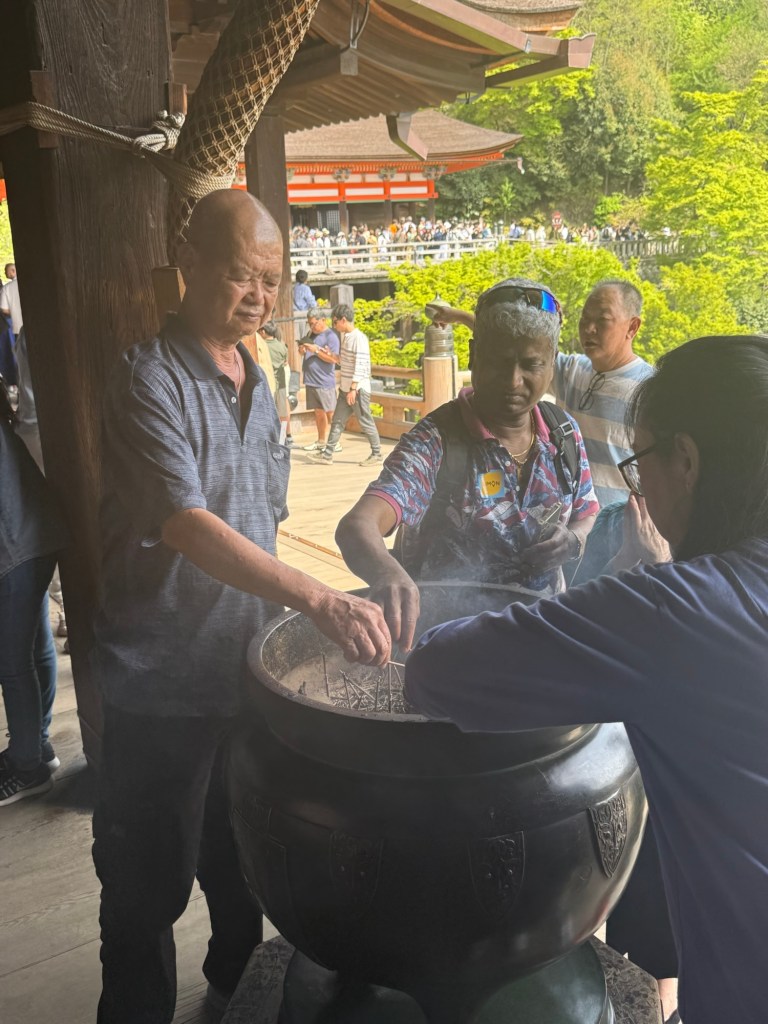
In Japan, burning incense is a significant part of traditions honoring ancestors, particularly during the Obon festival. This practice is deeply rooted in both ancient Japanese beliefs and Buddhist customs. During Obon, families return to their ancestral graves and clean them, placing flowers, and burning incense sticks as offerings. Burning incense is believed to purify the space and create a connection between the living and the spirits of the deceased.
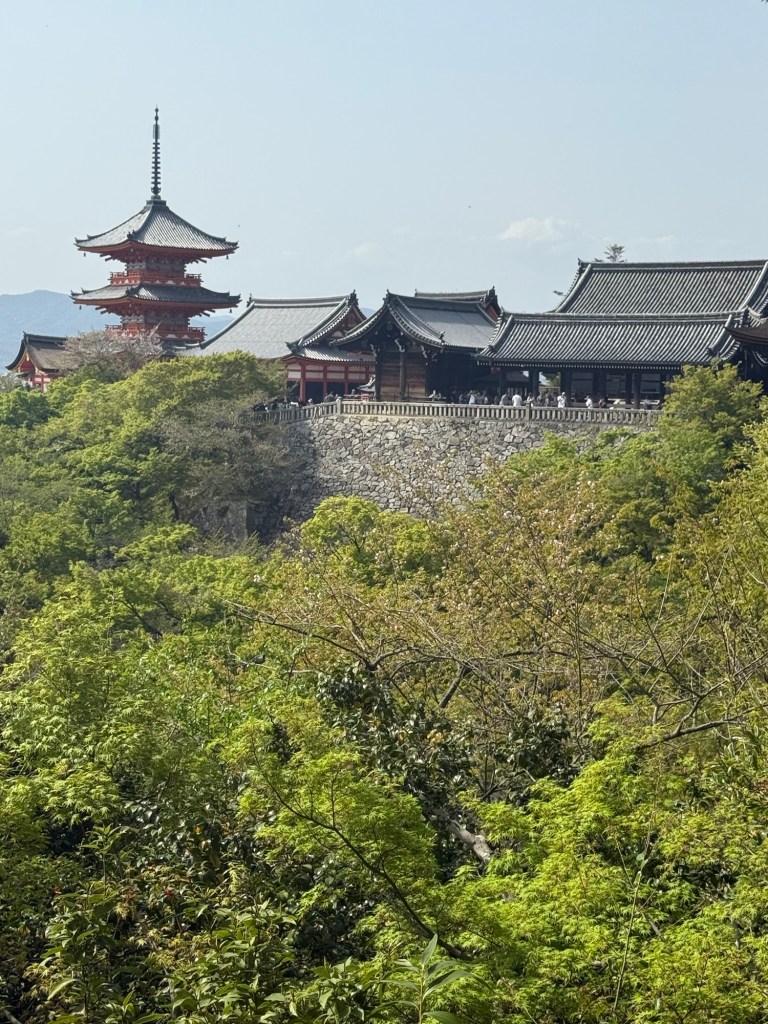

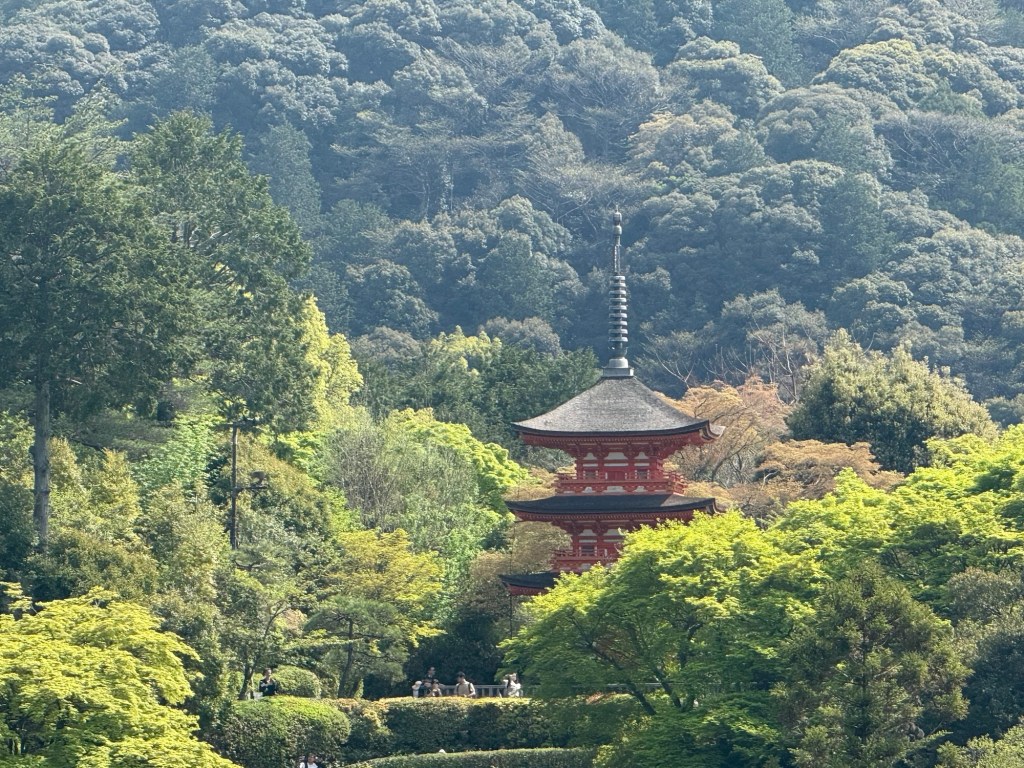
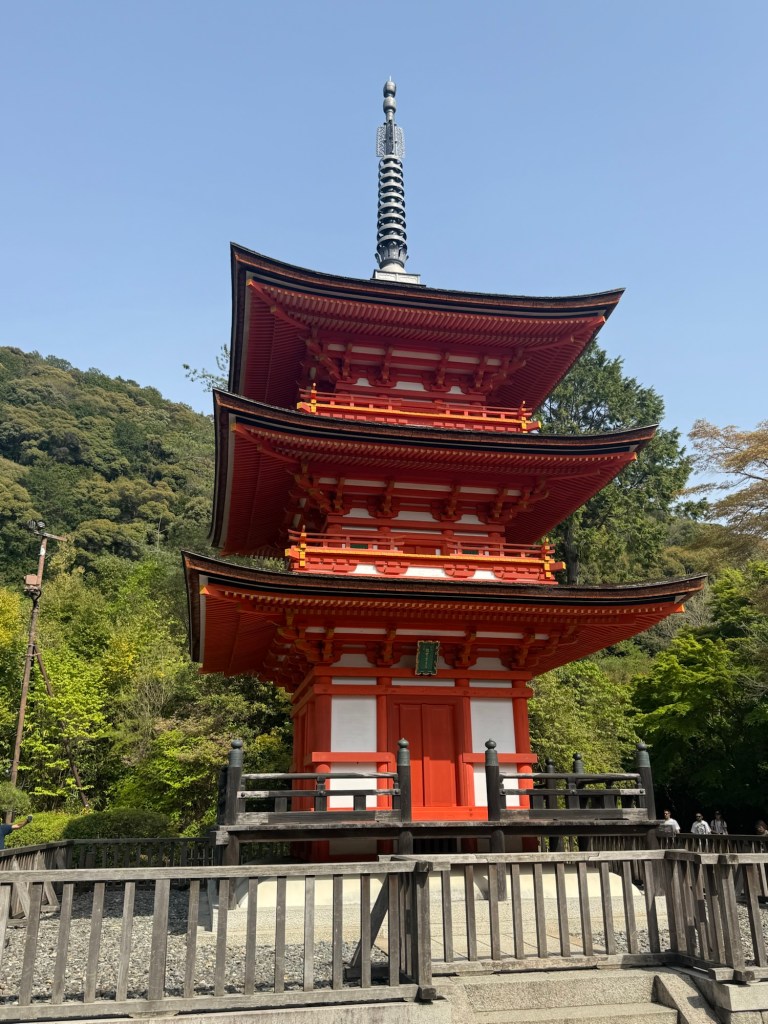
In the Edo period (1603-1867), the area around this temple was crowded with travelers coming and going from the Otsu area and lined with tea stores. The Seikanji is located about 600 meters from the Kiyomizu Temple, the path to which overlooks the valley and city below.
There is a small path that connects Seikan-ji Temple and Kiyomizu-dera Temple along the mountain’s edge. Today, it is a narrow, path, but it has been used for a long time, known as “Uta no Nakayama,” And on this little path, from the following anecdote, comes the origin of the name of the path.
“Once upon a time, at dusk, a monk named Shin-en was strolling out of a temple gate when he met a beautiful woman. Immediately captivated by the woman, Shin-Yan felt the urge to call out to her. However, he could not think of the right words. He could only ask, “How can I get to Kiyomizu-dera Temple? The woman stopped and looked at the monk intently,
How can you know the path of sincerity when your heart is so far from it?
He returned with a poem. When he looked up, the woman had vanished.”
The meaning of the song is: “You seem to aspire to the path of the Buddha, but as far as I can see, you have been caught up in vexations. If you are deceived by such things, how can you realize the Way of Buddha?
Our path now leads us down a long winding walkway back to the starting point of our visit to the temple , enjoying the beauty and solitude of the temple, and mountain.

 TerraTraveler
wow; what a lovely temple. Crowds look manageable and weather looks nice. Love the pictures of the people, especially those in traditional dress.
LikeLike